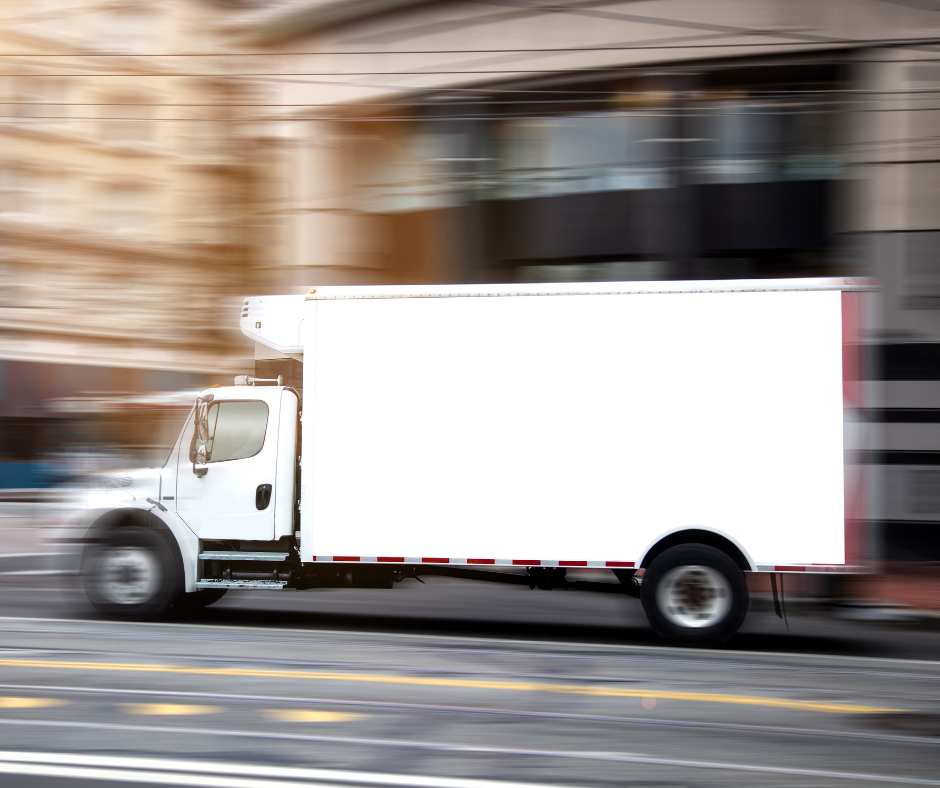
Innovations in City Delivery: Pioneering Solutions for Efficient Urban Logistics in the USA
Introduction: The rapid
growth of e-commerce and the increasing demands of urban consumers have
propelled the need for efficient and streamlined city delivery services in the
USA. To meet these challenges, pioneering solutions are being developed and
implemented to transform urban logistics. In this blog post, we will explore
the innovations revolutionizing city delivery and driving efficiency in the
USA. From smart routing and autonomous vehicles to micro-fulfillment centers
and data-driven logistics, these pioneering solutions are reshaping the way
goods are transported in urban areas, leading to enhanced customer experiences
and sustainable urban logistics.
1.
Smart Routing and
Predictive Analytics: Efficient city delivery relies on optimized routes that
minimize distance and time. Innovations in smart routing algorithms leverage
real-time data, traffic patterns, and predictive analytics to determine the
most efficient delivery routes. These technologies help reduce fuel
consumption, improve delivery accuracy, and enhance overall operational
efficiency. By considering factors such as traffic congestion and weather
conditions, smart routing solutions ensure timely and reliable deliveries in
urban environments.
2.
Autonomous Vehicles and
Delivery Robots: The rise of autonomous vehicles and delivery robots is
transforming city delivery operations. Self-driving vehicles and drones offer
the potential for faster and more cost-effective deliveries. With advancements
in artificial intelligence and sensor technology, these autonomous solutions
can navigate busy streets, optimize routes, and reduce human errors. They also
have the advantage of operating 24/7, enabling round-the-clock delivery
services that cater to the demands of urban consumers.
3.
Micro-Fulfillment Centers:
Micro-fulfillment centers located strategically within urban areas are
revolutionizing last-mile delivery. These compact fulfillment hubs bring
inventory closer to the end customer, reducing delivery distances and transit
times. By leveraging automation and robotics, these centers enable faster order
processing and more efficient picking and packing operations. The proximity of
micro-fulfillment centers to urban consumers enhances delivery speed, improves
inventory management, and allows for quick restocking to meet demand
fluctuations.
4.
Data-Driven Logistics and
Real-Time Tracking: Data-driven logistics and real-time tracking systems play a
vital role in optimizing city delivery operations. Advanced software solutions
provide real-time visibility into the entire delivery process, from order
fulfillment to the final mile. This allows for accurate tracking, proactive
communication with customers, and efficient route adjustments based on traffic
conditions or unexpected events. These technologies improve delivery accuracy,
reduce delays, and enhance overall customer satisfaction.
5.
Sustainable Solutions:
Innovations in city delivery are not limited to efficiency alone but also focus
on sustainability. The adoption of electric vehicles (EVs) and alternative fuel
options in urban logistics reduces carbon emissions and contributes to cleaner
air quality. Additionally, companies are exploring innovative approaches like
bike couriers, shared delivery networks, and environmentally friendly packaging
materials to minimize the environmental impact of city delivery. These
sustainable solutions align with the growing emphasis on eco-conscious
practices and contribute to greener urban environments.
Conclusion: The
innovations in city delivery are transforming urban logistics in the USA,
driving efficiency, sustainability, and customer satisfaction. Smart routing
algorithms, autonomous vehicles, micro-fulfillment centers, data-driven
logistics, and sustainable practices are revolutionizing the way goods are delivered
in busy urban areas. As these pioneering solutions continue to evolve, they
will shape the future of city delivery, enabling faster, more reliable, and
environmentally friendly logistics operations. By embracing these innovations,
businesses can stay ahead in the competitive landscape of urban logistics,
while customers benefit from efficient, on-time deliveries that enhance their
overall shopping experiences.
References:
1.
World Economic Forum.
(2020). Last-Mile Delivery Optimization: Dynamic Routing and Real-Time
Tracking. Retrieved from https://www.weforum.org/whitepapers/last-mile-delivery-optimization-dynamic-routing-and-real-time-tracking
2.
Ernst & Young. (2021).
The Future of Last-Mile Delivery: How Technology is Revolutionizing Urban
Logistics. Retrieved from https://www.ey.com/en_gl/future-of-last-mile-delivery
3.
Chong, J., & DeMaio,
P. (2019). Micro-Fulfillment Centers: Transforming Urban Logistics for
E-Commerce. International Journal of E-Services and Mobile Applications, 11(2),
37-50. DOI: 10.4018/IJESMA.2019040104
4.
Deloitte. (2021). Electric
Vehicle Outlook: Charging Forward. Retrieved from https://www2.deloitte.com/content/dam/Deloitte/us/Documents/energy-resources/us-er-electric-vehicle-outlook.pdf
5.
Gruending, K. (2021).
Autonomous Vehicles and the Future of Last-Mile Delivery. Technology and
Society Magazine, IEEE, 40(2), 62-69. DOI: 10.1109/MTS.2021.3081615
6.
Stank, T., Goldsby, T.,
& Vickery, S. (2018). Logistics Management of New Products and Services in
Urban Last-Mile Deliveries. Transportation Journal, 57(4), 383-409. DOI:
10.5325/transportationj.57.4.0383
7.
Zhang, L., et al. (2021).
Data-Driven Logistics and Last-Mile Delivery Performance: A Systematic Review
and Future Research Agenda. International Journal of Production Economics, 241,
107994. DOI: 10.1016/j.ijpe.2021.107994
8.
Mundell, A., & Yeoman,
R. (2021). The Role of Sustainable Solutions in Urban Logistics. Journal of
Transport Geography, 92, 103011. DOI: 10.1016/j.jtrangeo.2021.103011
9.
Shuai, C., et al. (2020).
Shared Economy for Urban Last-Mile Parcel Delivery: Literature Review,
Typology, and Future Research Directions. Transportation Research Part E:
Logistics and Transportation Review, 137, 101931. DOI:
10.1016/j.tre.2020.101931
10. Johnson, M. E., & Carayannis, E. G. (2020). The Future
of Urban Logistics: Scenarios and Policy Recommendations. Cities, 97, 102560.
DOI: 10.1016/j.cities.2019.102560
© Copyright 2026. All Rights Reserved by EXEL LOAD LLC (USA)