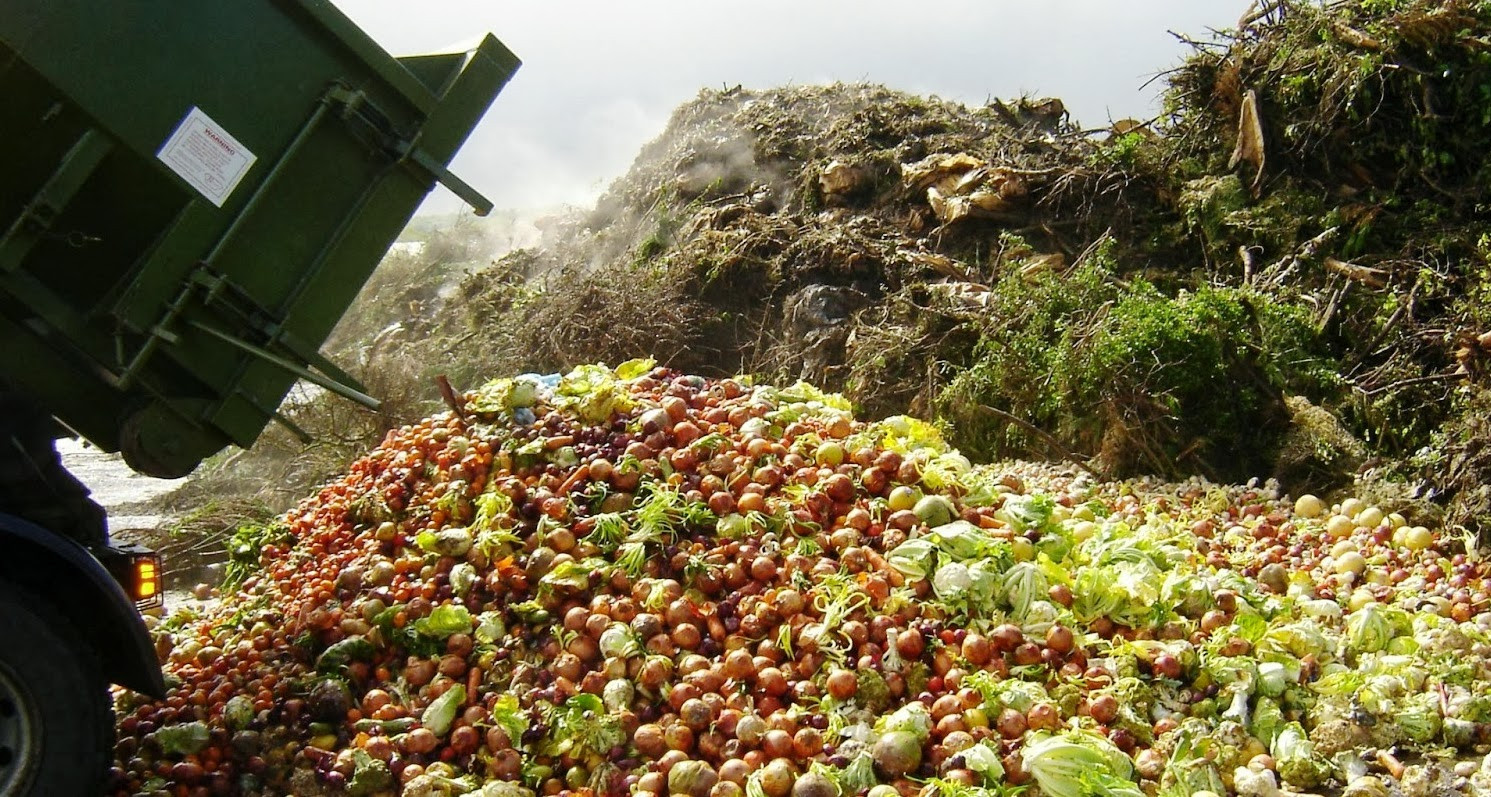
Farms to Forks Waste of Fresh Fruits & Vegetables, Challenges and Solutions
According to
the USDA's most recent estimates from 2019, approximately 30 to 40 percent of
the food supply in the United States goes to waste. While the USDA does not
provide specific data on the percentage of fruits and vegetables wasted during
supply, it is known that fruits and vegetables have a higher rate of waste
compared to other food products due to their perishable nature.
Factors that
contribute to food waste in the United States include overproduction, improper
storage, transportation issues, and consumer behavior. In recent years, there
have been efforts to reduce food waste, including initiatives to improve supply
chain efficiency, increase food donations, and raise awareness among consumers.
It's worth
noting that data on food waste can vary depending on the source and the methods
used to collect and analyze the data. Additionally, food waste can be
challenging to measure and track due to differences in definitions and
reporting methods.
Reefers, or
refrigerated shipping containers, play an essential role in transporting fresh
fruits and vegetables from fields to consumers. These containers help to
maintain a consistent temperature, regulate humidity levels, and circulate air,
ensuring that produce remains fresh and of high quality throughout the transportation
process. However, transporting fresh produce comes with its own set of
challenges. In this blog, we will explore these challenges and the solutions
that have been developed to overcome them.
Challenges
of Transporting Fresh Produce
One of the
biggest challenges of transporting fresh produce is maintaining the proper
temperature throughout the entire shipping process. While reefers are designed
to maintain a consistent temperature, they are often subject to temperature
fluctuations during loading and unloading. This can be particularly problematic
when produce is being loaded or unloaded in extreme weather conditions.
Another
challenge is ensuring that the produce is properly packaged and loaded into the
reefers. If the produce is not properly packaged, it can be damaged during
transportation, leading to spoilage and waste. Additionally, if the produce is
not loaded properly, it can shift during transit, which can also lead to
damage.
Finally, there
is the challenge of ensuring that the produce is delivered to its final
destination on time. Fresh fruits and vegetables have a limited shelf life, and
any delay in transportation can lead to spoilage and waste. This can be
particularly challenging for international shipments, which may be subject to customs
delays or other logistical issues.
Solutions
to Transporting Fresh Produce
To overcome
the challenges of transporting fresh produce, several solutions have been
developed. One solution is to use temperature monitoring devices that track the
temperature of the produce and alert the driver or shipping company if the
temperature falls outside of a predetermined range. This allows for quick
action to be taken if necessary to prevent spoilage.
Another
solution is to use specialized packaging that is designed to protect the
produce during transportation. For example, some companies have developed
packaging that is designed to absorb moisture and prevent the produce from
becoming too moist or too dry. Additionally, packaging can be designed to protect
the produce from damage during loading and unloading.
Finally,
technology has been developed to help ensure that fresh produce is delivered on
time. For example, some companies use GPS tracking to monitor shipments in
real-time and provide updates to customers on the status of their shipment.
This allows for quick action to be taken if there are any delays or issues with
the shipment.
Benefits
of Using Reefers to Transport Fresh Produce
Despite the
challenges of transporting fresh produce, using reefers to transport fresh
fruits and vegetables offers several benefits. One of the most significant
benefits is that reefers help to reduce food waste by ensuring that produce
remains fresh and of high quality throughout the transportation process. This
is important not only from an economic perspective but also from an
environmental perspective, as reducing food waste can help to reduce greenhouse
gas emissions.
Reefers also
allow for the transportation of fresh produce over long distances, which
enables consumers to enjoy fresh fruits and vegetables from around the world.
This has helped to promote greater diversity in diets and has increased access
to fresh produce for people living in areas where certain fruits and vegetables
may not be able to be grown locally.
Finally,
reefers have helped to improve the safety and quality of fresh produce by
reducing the risk of contamination during transportation. By maintaining a
consistent temperature and regulating humidity levels, reefers help to prevent
the growth of harmful bacteria that can lead to foodborne illnesses.
Conclusion
Reefers play
an essential role in transporting fresh fruits and vegetables from fields to
consumers. While transporting fresh produce comes with its own set of
challenges, solutions have been developed to overcome these challenges. By
using temperature monitoring devices, specialized packaging, and technology to
ensure on-time delivery, reefers help to all mentioned above.
Here are some
references to support the information provided in the blog post:
USDA. (2021).
Food Loss and Waste. https://www.usda.gov/foodlossandwaste
Hall, K.D., Guo, J., Dore, M.,
& Chowdhury, N.D. (2020). The Progressive Increase of Food Waste in America
and Its Environmental Impact. PLoS ONE, 15(6), e0232674. https://doi.org/10.1371/journal.pone.0232674
ReFED. (2020). A Roadmap to
Reduce U.S. Food Waste by 50%.
https://www.refed.com/downloads/ReFED_Report_2020.pdf
Gunders, D. (2017). Wasted: How
America Is Losing Up to 40 Percent of Its Food from Farm to Fork to Landfill. NRDC.
https://www.nrdc.org/sites/default/files/wasted-food-IP.pdf
Food and Agriculture Organization
of the United Nations. (2019). Reducing food loss and waste. Retrieved from
http://www.fao.org/food-loss-and-food-waste/en/
Kader, A. A. (2002). Postharvest technology
of horticultural crops. University of California Agriculture and Natural
Resources. Retrieved from
https://ucanr.edu/sites/Postharvest_Technology_Center_/files/210236.pdf
Reefer Container Information.
(n.d.). Reefers - What are they and what do they do? Retrieved from
https://www.reefercontainerinformation.com/reefers-what-are-they-and-what-do-they-do/
United States Department of
Agriculture. (2018). Transportation of fresh fruits and vegetables. Retrieved
from https://www.ams.usda.gov/sites/default/files/media/Transportation%20of%20Fresh%20Fruits%20and%20Vegetables.pdf
World Shipping Council. (n.d.).
Refrigerated Containers. Retrieved from
https://www.worldshipping.org/industry-issues/special-cargo/refrigerated-containers
© Copyright 2026. All Rights Reserved by EXEL LOAD LLC (USA)